

[[key]]
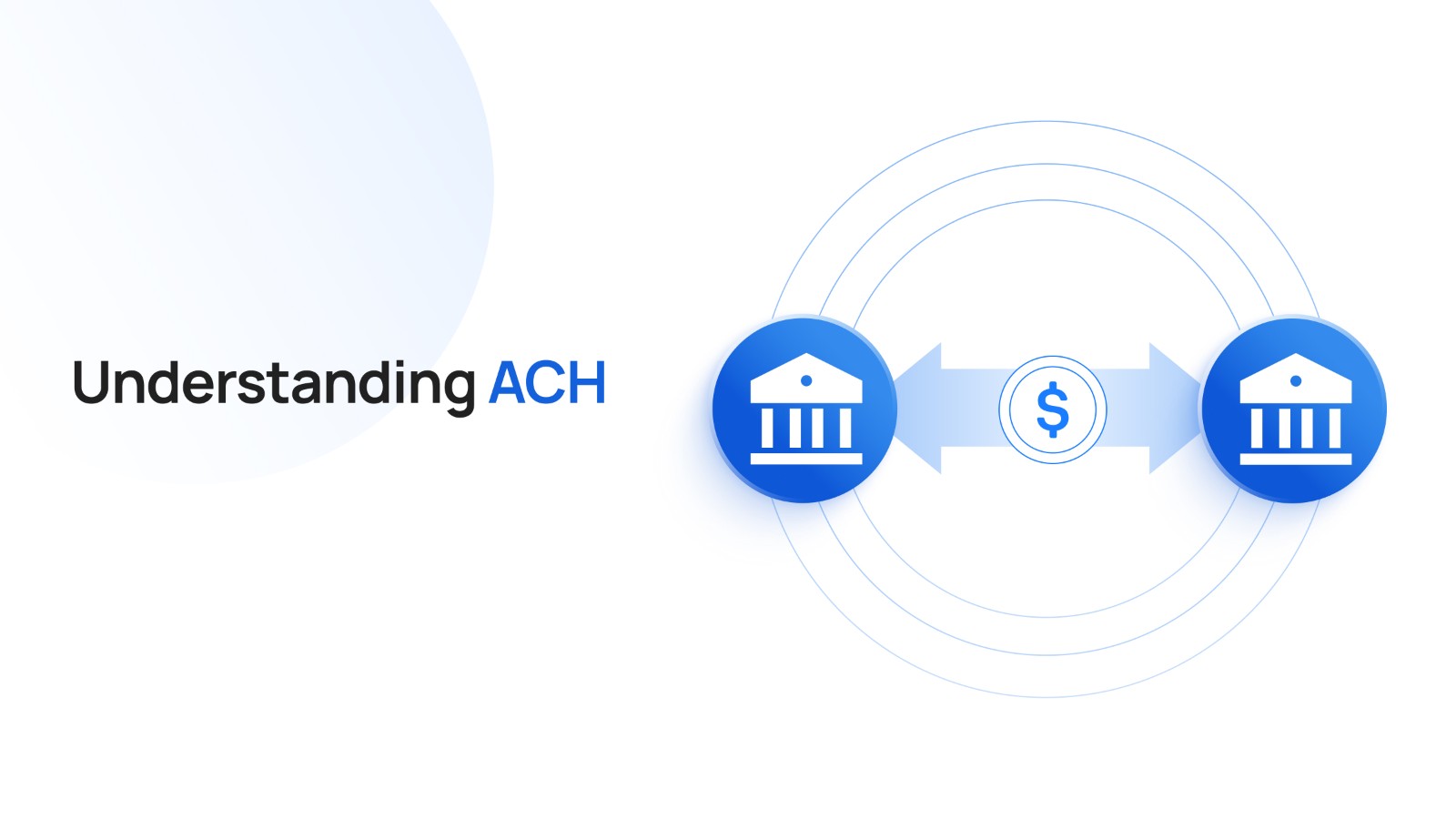
- An ACH payment is an electronic transfer of money between bank accounts, processed in batches through the Automated Clearing House network and governed by Nacha.
- ACH (Automated Clearing House) is a US network for electronic, bank-to-bank payments.
- ACH transfers come in two forms: ACH credit (push) and ACH debit (pull).
- Standard ACH transfers settle in 1–3 business days. Same Day ACH settles within hours.
- ACH payments are cheap, often under $1, versus 1.3%–3.5% for card payments.
- ACH is US-only and runs on banking days, so it's a poor fit for urgent or cross-border transfers.
[[/key]]
If you've ever been paid by direct deposit or paid a bill straight from your bank account, you've used ACH. You probably never noticed it.
ACH payments quietly move most of the money in the United States. In 2025, the ACH network handled 35.2 billion payments worth $93 trillion.
Banks, credit unions, and other financial institutions rely on ACH transfers for almost everything routine, from direct deposits to bill payments.
This guide explains what ACH payments are, how they work, what they cost, how to send and accept them, and where they fall short.
.jpg)
.jpg)